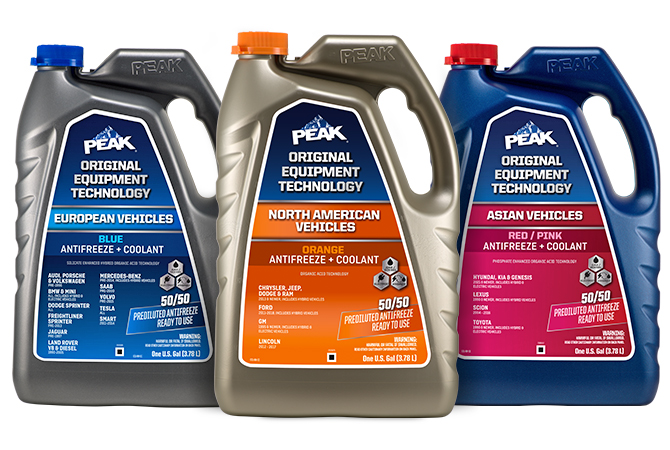
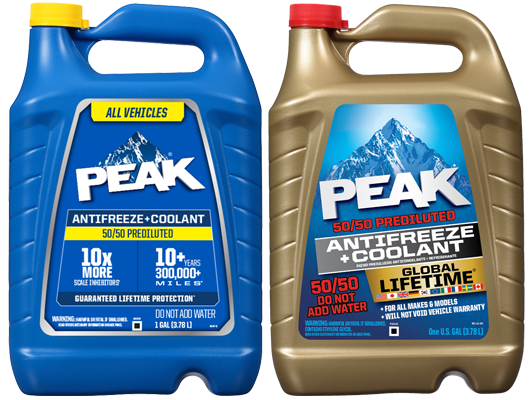
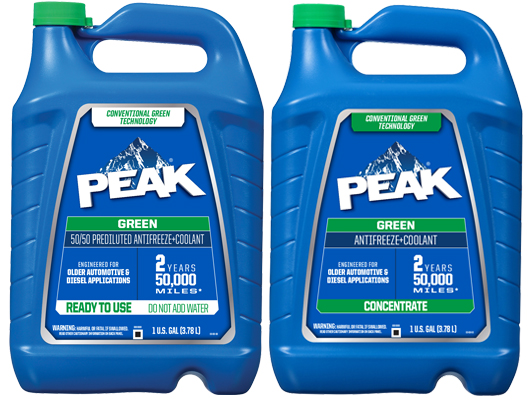
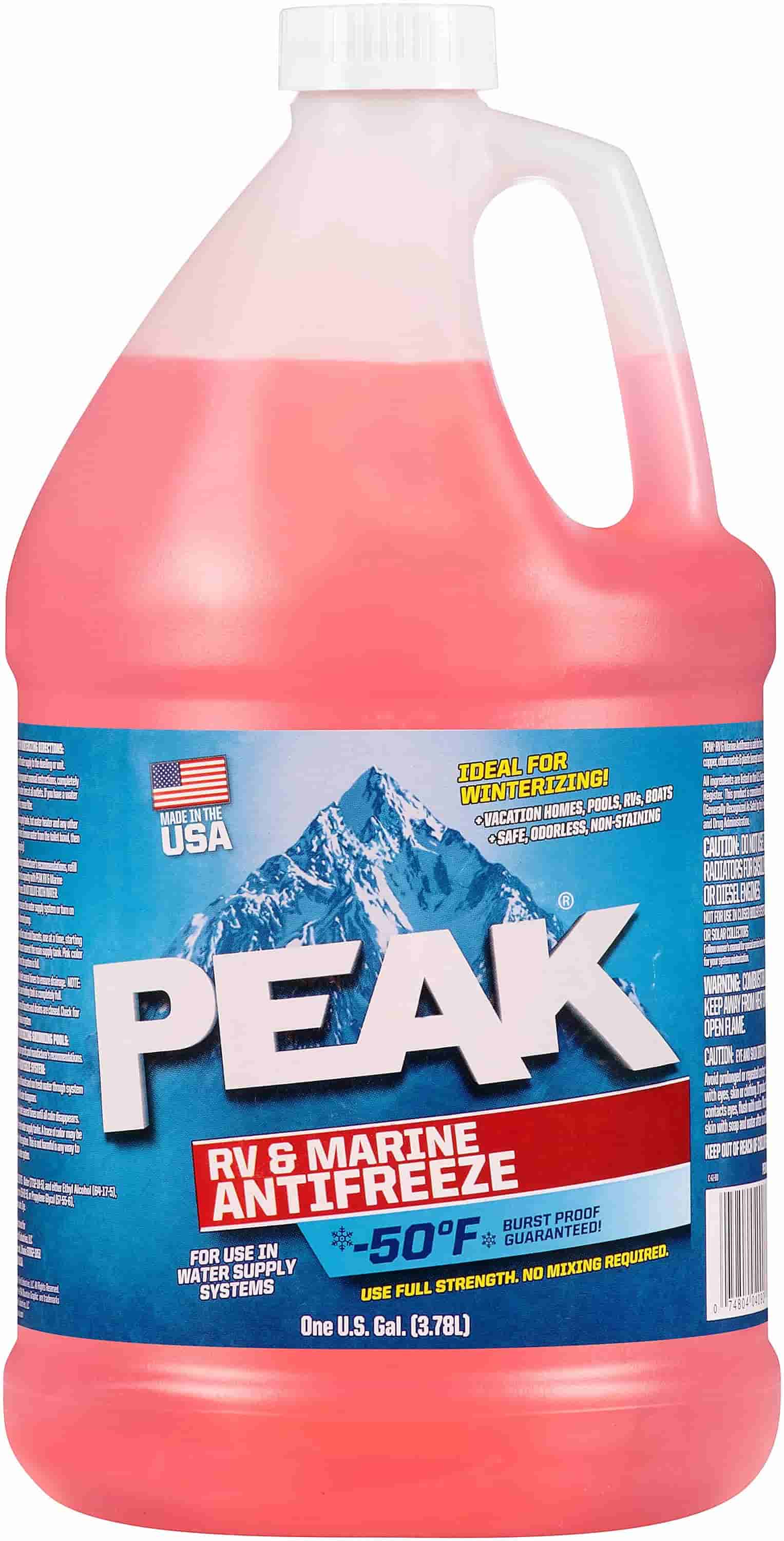
|
In many US and Japanese
antifreeze formulas, including those produced by Old World
Industries, phosphate is added as a corrosion inhibitor. European
vehicle manufacturers, however, recommend against the use of
phosphate containing antifreeze. The following will examine the
different positions on this issue to help judge the pros and cons
on phosphate inhibitors.
In the US market, a phosphate
inhibitor is included in many formulas to provide several
important functions which help reduce automotive cooling system
damage. The benefits provided by the phosphate include:
- Protect aluminum engine components by reducing
cavitation corrosion during high speed driving.
- Provide for corrosion protection to ferrous
metals.
- Act as a buffer to keep the antifreeze mixture
alkaline. This prevents acid build-up that will damage or destroy
metal engine parts.
European automobile/ truck producers feel that these benefits are
achievable with inhibitors other than phosphate. Their main
concern with phosphate containing products are the potential for
solids drop-out when mixed with hard water. Solids can collect on
cooling system walls forming what is known as scale. This concern
comes from the fact that European water is much harder than water
in the US. Because phosphate "softens" water by forming
solids of calcium or magnesium salts that can drop-out of
solution, there is potential for cooling system blockage. The
phosphate level in most US and Japanese antifreeze formulas do not
generate significant solids. Furthermore modern antifreeze
formulations are designed to minimize the formation of scale. The
small amount of solids formed present no problem for cooling
systems or to water pump seals.
For now, Old World Industries believes that phosphate will remain a
primary ingredient for cooling system protection. Still, as a good
corporate citizen, we continue research on other inhibitor types
that will provide the same benefits without phosphates. To show
this commitment, Old World Industries is now marketing a
heavy-duty antifreeze that incorporates a phosphate free inhibitor
package. This new product is called Fleet Chargeâ
antifreeze. It is a universal formula that passes both
heavy-duty and automotive specifications.
In most US and Japanese vehicles, you can use either a phosphate
free or phosphate containing antifreeze during the warranty
period. However, phosphate containing antifreeze can void European
OEM warranties. Old World Industries advises that only recommended
antifreeze types be used in these vehicles during the warranty
period to ensure complete coverage.
|