We can protect the environment in two basic ways: by voluntary or
regulatory measures. Vehicles are one of the biggest sources of water
pollution. Motor oil, antifreeze, and a host of other automotive fluids
and products can impact our environment if an aggressive carrot-and-stick
management plan is not devised to educate, stimulate, and possibly
regulate those who work on vehicles. In order to do so, we must first
understand how antifreeze and filters are disposed of and recovered.
Strict prohibitions without adequate collection systems and enforcement
may be counterproductive since such a large sector of the population is
difficult to regulate. Management standards and regulations must establish
sensible ground rules. Simply put, we need to invest in programs that
prevent pollution and support businesses that create sustainable solutions
to reclaim used antifreeze and oil filters.
A month ago I helped present the findings of a report, “Virginia Used
Oil, Filters, and Antifreeze Consumer Management Study,” to the Virginia
Recycling Market Development Council. In 1998, roughly 4 million gallons
of used oil, 5 million oil filters, and 1 million gallons of antifreeze
are lost in Virginia by the do-it-yourselfer. This does not include the
millions of gallons of antifreeze and oil, and tons of steel, disposed of
by the automotive sector. Roughly 60 to 75% of all antifreeze and filters
available for recycling in Virginia are being improperly disposed of.
Since Virginia is now a leading importer of waste, developing an
automotive pollution prevention program to address this problem is in the
state’s interest.
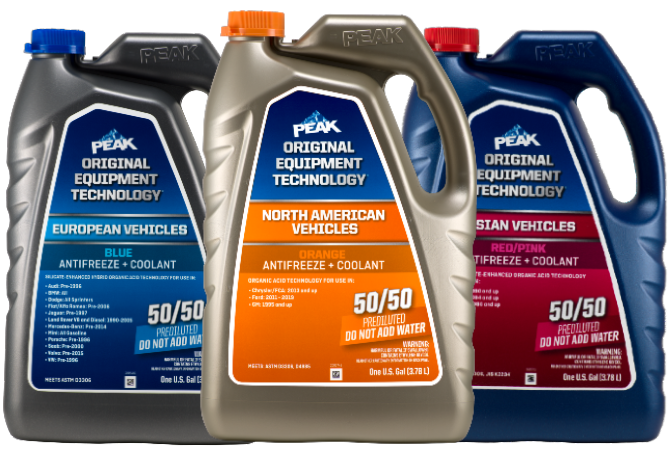
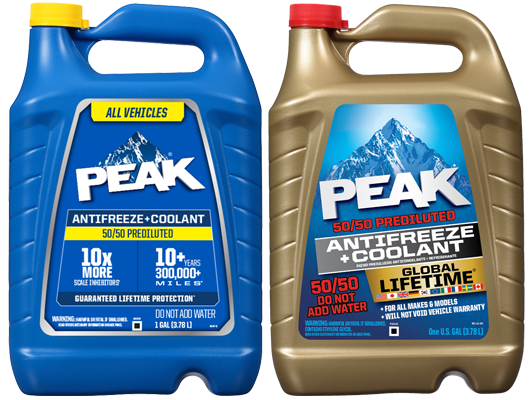
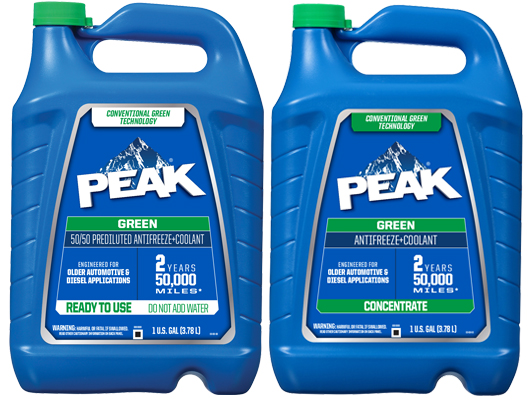
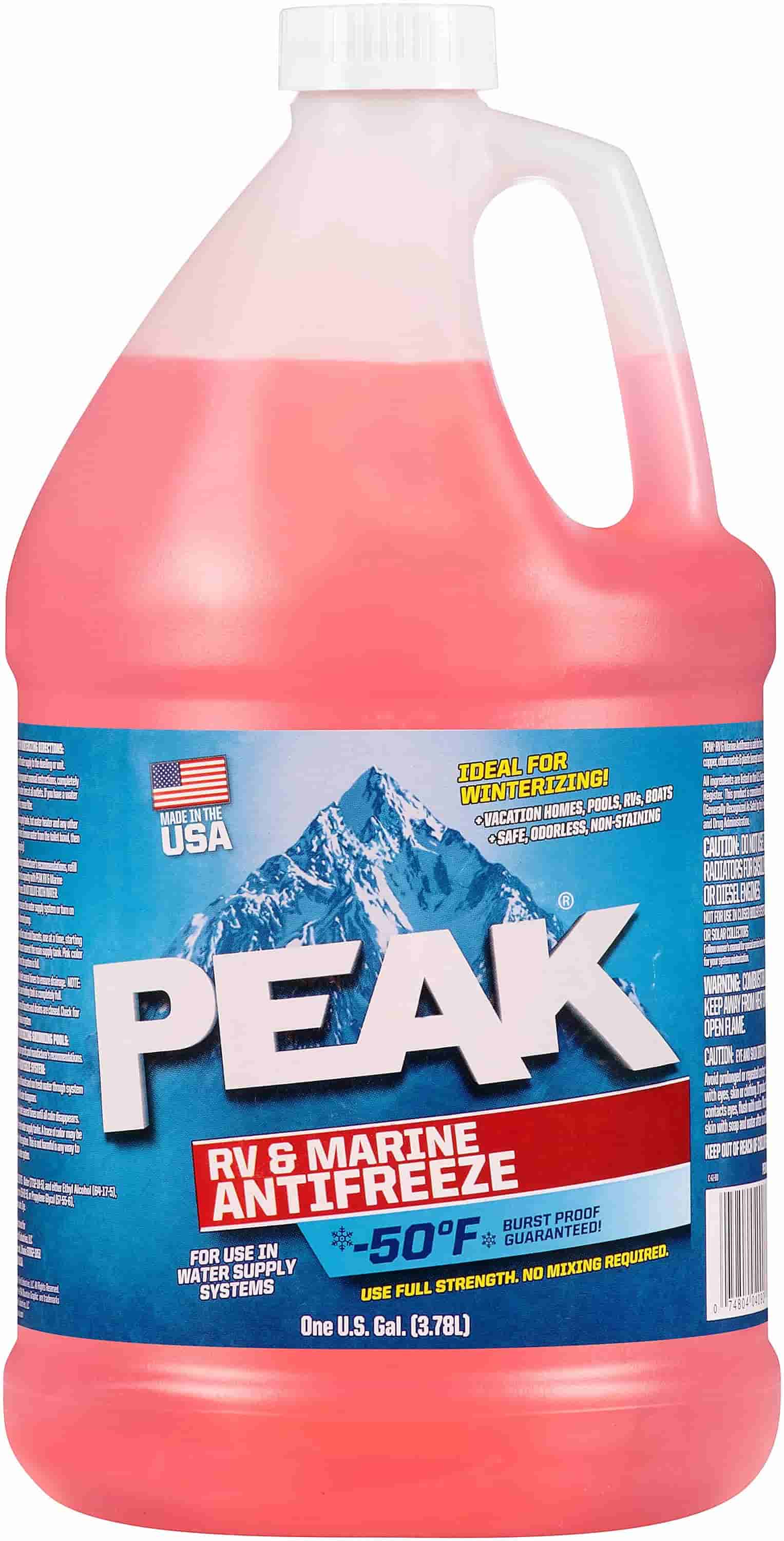
Antifreeze
Let’s look first at antifreeze, then explore oil filters, and conclude
with some interesting options. The toxic characteristics of antifreeze
present a significant threat because the majority of antifreeze is lost to
the environment. Antifreeze is a clear, colorless, sweet-tasting liquid
that is attractive to small children and pets. If swallowed, it will cause
depression, followed by respiratory and cardiac failure, and finally renal
and brain damage. If improperly disposed of, antifreeze can contaminate
groundwater and pose a serious health threat to humans and other animals.
According to the Environmental Compliance Assistance Center (www.hazmat.frcc.cccoes.
edu/antifreeze.htm):
The hazardous component of antifreeze, ethylene glycol, is very toxic
to humans and pets. The U.S. EPA, at this time, has not regulated spent
antifreeze as a hazardous waste because of its chemical composition.
Used antifreeze may contain high levels of heavy metals that may exceed
the regulatory limits when tested using the Toxic Characteristic
Leaching Procedure (TCLP). These metals are typically lead from the
solder in the radiator or cadmium and chrome from the internal moving
parts in the engine.
Around 200 million gallons of antifreeze are sold in the U.S. annually
and it is not known how much of this is recovered. Various paths may be
used for the recycling and disposal of antifreeze. Some major collectors
may take antifreeze to be disposed of in approved water treatment plants.
The end-user market for antifreeze is twofold. Antifreeze may be either
recycled on-site for reuse in vehicles or taken off-site where it is
recycled and sold as new antifreeze. Recycling this antifreeze has a
minimal cost, less than .25 cents per gallon in Virginia.
Oil Filters
Used motor oil filters also need to be captured. They have been a hidden
source of contamination of soil, surface water, and groundwater for
decades. While great strides have been made in reducing the amount of used
oil that enters municipal landfills, sewers, and other conduits to the
environment, discarded filters remain another source of used oil
contamination. There are 300 million oil filters lost to the environment
every year; it is estimated that only 100 million are recycled. Recycling
all the oil filters generated in 1994 would result in the recovery of an
estimated 161,500 tons of steel and 17.8 million gallons of oil.
Used oil filters retain a surprising amount of oil. An undrained oil
filter can contain from one half pint (8 oz., such as for a compact car)
to a full quart (64 oz., as for a heavy-duty truck) of used oil.
Generally, a properly drained oil filter will contain one to eight ounces
of residual oil. Used filter recovery costs 29 cents per filter in
Virginia, varying somewhat with geographic location. Unfortunately, many
used oil recycling programs do not accommodate filter recycling; it is
estimated that only a small amount of generated oil filters are recycled.
Many automotive service centers have been slow to recover filters.
The market for used oil filter recovery can be greatly affected by the
regulatory climate. In May 1992, the Environmental Protection Agency
issued the "Toxicity Characteristic Leaching Procedure" (TCLP)
rule requiring that generators with disposable filters be tested to make
sure that they are not hazardous, unless they are to be
"completely" recycled.
The EPA recommends three ways to properly dispose of oil filters (40
CFR 261.4(b) 913):
1. Drain the filter in three steps: a) remove it hot from the vehicle;
b) place it in a drain pan, gasket side down; c) puncture the
"dome end" of the filter to defeat the anti-drawback valve
function; and d) allow it to drain for 12 to 24 hours;
2. Drain and crush the filter (the greater the compaction the more used
oil removed), and either recycle or dispose of the filter biscuit or metal
portion depending on the steel end-market; or,
3. Drain, disassemble (e.g., shred the filter), and send the filter to
a scrap metal recycler.
A 1997 University of Missouri study documents that oil is left in the
filter if it is not punctured prior to the process. After the first 15
minutes of drainage the unpunctured filters retained 73% of the oil. Most
people are not aware of the correct way to properly dispose of oil filters
and this is creating an environmental problem in our country.
Bottles
Other products of the automotive repair sector need to be managed as
well– oil bottles, for example. It has been estimated that every year we
generate between 2 - 3.5 billion used motor oil bottles, each containing 1
to 1.25 ounces of oil, roughly the equivalent of 1.5 to 3.5 times the
amount generated by the Exxon Valdez oil spill. Efforts are being made to
develop technologies to recover this oil; a vendor in South Carolina is
testing one such technology.
Options
Developing a market for antifreeze and filter recovery is essential. One
possible way to stimulate antifreeze and filter recycling would be a
campaign to clarify what the existing regulations are and what they
entail. This could provide a wonderful opportunity to promote pollution
prevention by educating the automotive sector on how they can best manage
their automotive materials.
Presently, there is no national standard of how to best manage used
antifreeze. There are no U.S. EPA requirements or policy statements on the
management of used antifreeze. The Agency is inclined not to regulate it
as a hazardous waste because of the relative ease with which it can be
reconstituted into a useful product. The EPA could, however, develop
management standards for antifreeze similar to those for used oil (40CFR
part 279.10c) and clarify that used antifreeze meets the definition of a
non-hazardous solid waste. This would encourage mechanics to participate
since many of them are already aware of used oil management standards.
Clearly the most effective way to prevent pollution is to design a
product that minimizes waste. One innovative approach would be to promote
reusable oil filters that are compatible with engines that use the
one-piece sealed spin-on filter. No modifications or tools are required to
install these filters on any engine that uses a spin-on filter, and they
allow for the recovery of all used motor oil. The assembly housing is
reused; only the paper element is replaced, and this can be easily
recycled or burned for energy. Widespread adoption of these reusable
filter systems would virtually eliminate used oil being trapped in filters
and steel filters entering landfills. If produced in volume, this filter
could be manufactured for under a dollar. At the point of final sale the
filter would cost somewhat less than the current spin-on filter. Reusable
filters were popular up to the early 1960s and are still widely used in
the racing industry.
Balancing voluntary and mandatory measures can translate into
preserving our water and land. Identifying and understanding the economics
and regulatory impacts on recycling oil filters and antifreeze is
essential. A simple measure such as requiring a modest recycling report
has been effective in several states in educating people about and
monitoring the recovery of these automotive materials. Banning these
materials without installing the resources to capture them could bring
serious repercussions. First, we need greater clarification and awareness
of this source of pollution. Second, we need to explore how we can revise
the current carrot-and-stick approach to managing antifreeze and filters.
Finally, we need to strengthen the antifreeze and filter management
systems. We need to champion reusable filters and other innovative
solutions, which could prevent the problem in the first place. We need to
generate more dialogue regarding how to transform these pollutants into
valuable resources.
Rob Arner has worked in the field of solid waste and environmental
issues both inside and outside of Washington, D.C. for the past 20 years.